Heathrow Terminals
London Heathrow Airport Terminals
London Heathrow Airport (LHR) is the largest and busiest airport in the United Kingdom and one of the world’s leading international hubs.
Heathrow currently operates four passenger terminals — Terminal 2, Terminal 3, Terminal 4, and Terminal 5 — handling domestic, European, and long-haul international flights to hundreds of destinations worldwide.
Annual Traffic
Heathrow handles tens of millions of passengers every year, making it one of Europe’s busiest aviation hubs.
Main Hub Airport
British Airways and Virgin Atlantic operate major long-haul and European networks from Heathrow.
Large Terminal Complex
Walking distances can be considerable, especially during terminal transfers and busy periods.
History & Origins of Heathrow Airport
London Heathrow Airport originally opened as a small airfield during the 1920s before rapidly expanding after World War II into one of the world’s most important international airports.
The airport became a key global gateway during the rise of commercial aviation in the second half of the 20th century.
Terminal 1 permanently closed in 2015. Heathrow currently operates Terminals 2, 3, 4 and 5.
Heathrow Airport Terminal Map
Heathrow Airport covers a very large area west of Central London.
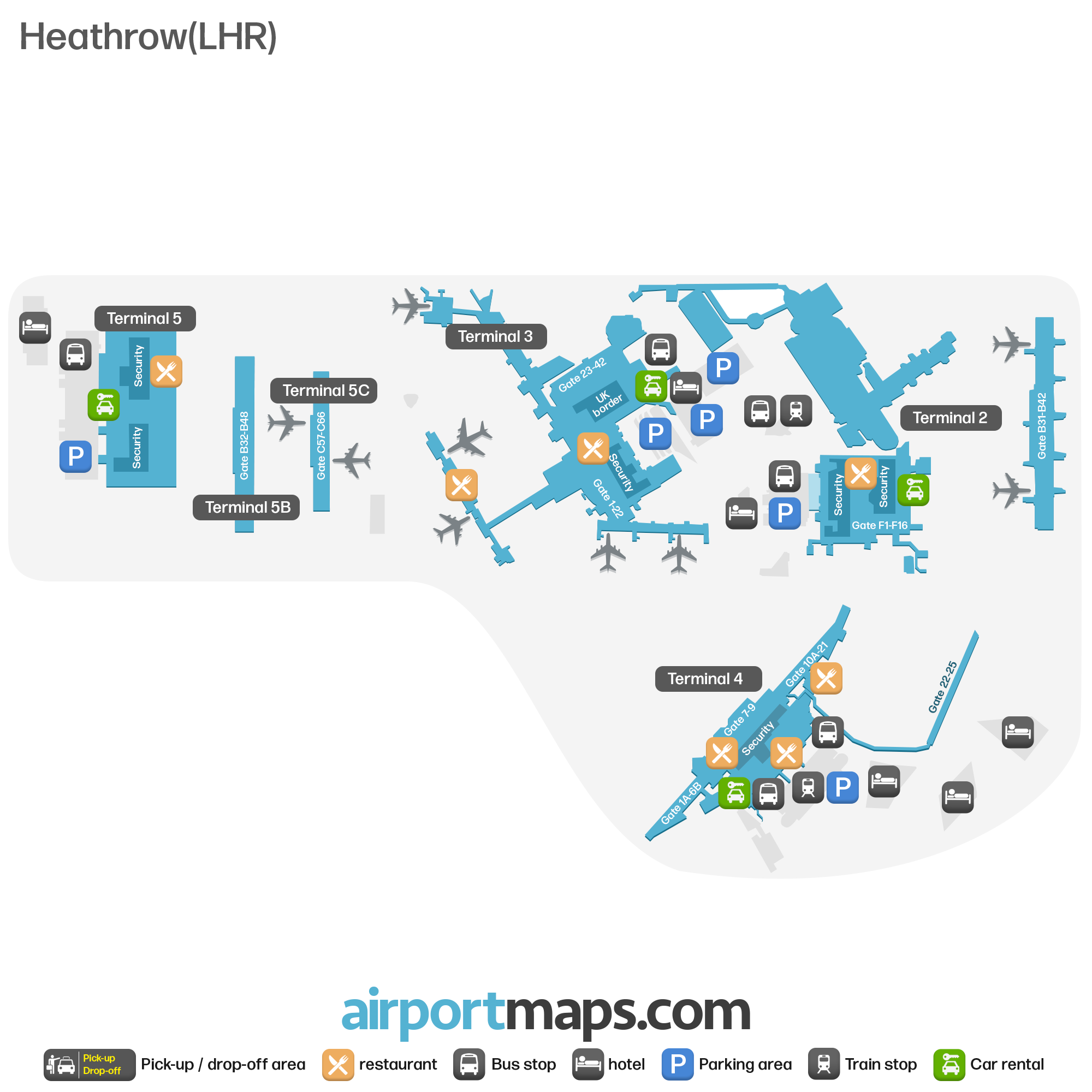
Terminal Overview
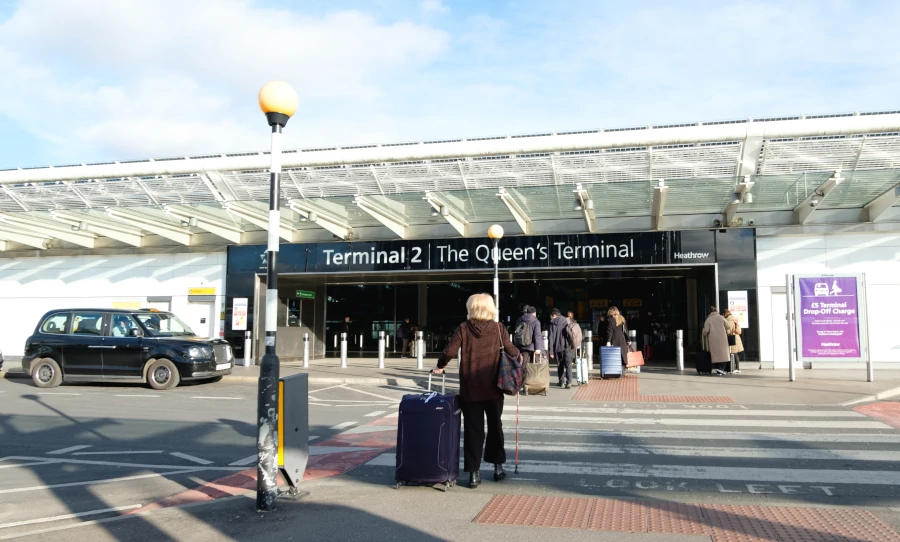
Terminal 2
The Queen’s Terminal
Terminal 2 mainly serves Star Alliance airlines and international carriers.
- Modern terminal layout
- European & international flights
- Direct train access
- Efficient passenger flow
Terminal 3
Long-Haul Hub
Terminal 3 handles many long-haul international routes and premium airlines.
- Virgin Atlantic operations
- Premium lounges
- Large shopping area
- International departures
Terminal 4
SkyTeam & International
Terminal 4 is located south of the central terminal complex.
- Connected by free trains
- International leisure routes
- Compact terminal design
- Usually calmer outside peaks
Terminal 5
British Airways Hub
Terminal 5 is Heathrow’s flagship terminal and one of Europe’s largest airport buildings.
- Main British Airways hub
- Huge premium facilities
- Satellite buildings
- Long gate walking distances
How Heathrow Airport Works
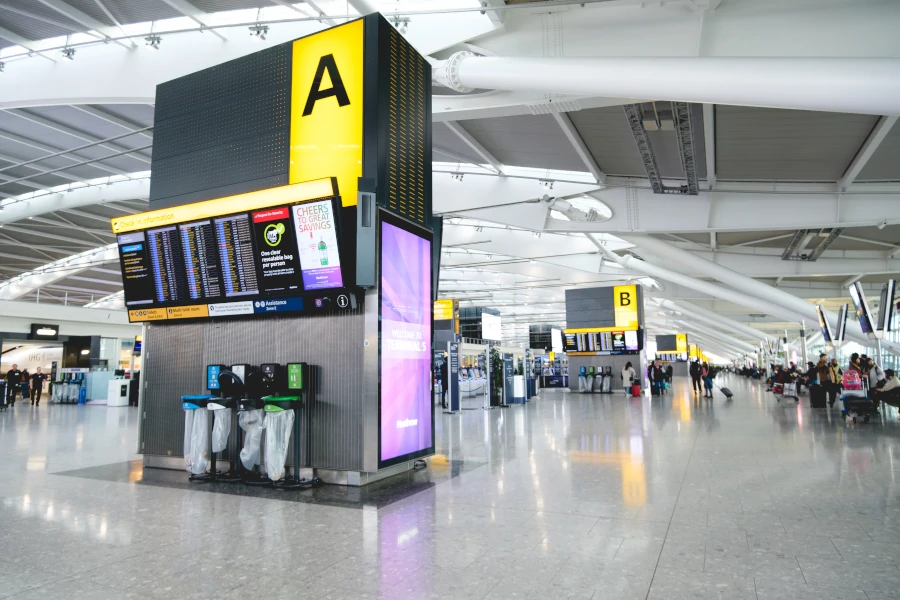
1. Check-In
Large airline check-in halls and self-service kiosks.
2. Security
Centralized screening areas with variable waiting times.
3. Shopping & Dining
Luxury retail, cafés, restaurants, and duty free.
4. Boarding Gates
Some gates require long walking distances or trains.
Services, Restaurants & Shopping
Heathrow Airport offers one of Europe’s largest selections of airport services, lounges, dining options, and premium retail stores.
See full Heathrow services guide
Terminal Comparison
| Terminal | Main Airlines | Flight Type | Notes |
|---|---|---|---|
| Terminal 2 | Star Alliance airlines | European & international | Modern and efficient |
| Terminal 3 | Virgin Atlantic & partners | Long-haul international | Busy premium terminal |
| Terminal 4 | International carriers | Long-haul & leisure | Separate terminal complex |
| Terminal 5 | British Airways | Domestic & long-haul | Largest Heathrow terminal |
Average Waiting Times
| Airport Process | Typical Time | Busiest Periods | Notes |
|---|---|---|---|
| Check-In | 15–45 min | Morning departures | Long-haul flights may require extra time |
| Security | 10–40 min | 06:00–11:00 | Fast-track available |
| Immigration | 15–60 min | Arrival peaks | eGates available |
| Baggage Claim | 15–35 min | Long-haul arrivals | Depends on terminal |
| Inter-Terminal Transfers | 20–45 min | Peak hours | Allow additional connection time |
Inter-Terminal Transport
Heathrow offers free inter-terminal transport via Heathrow Express trains, Elizabeth Line services, Underground connections, and shuttle buses.
Free Train Transfers
Free Heathrow Express and Elizabeth Line services connect terminals quickly.
Underground Connections
The Piccadilly Line connects Heathrow with Central London.
Transfer Times
Transfers can take between 20 and 45 minutes depending on route and queues.